

Local projects driving real change for native wildlife.
Our Projects Making a Difference Across Waitākere and Swanson
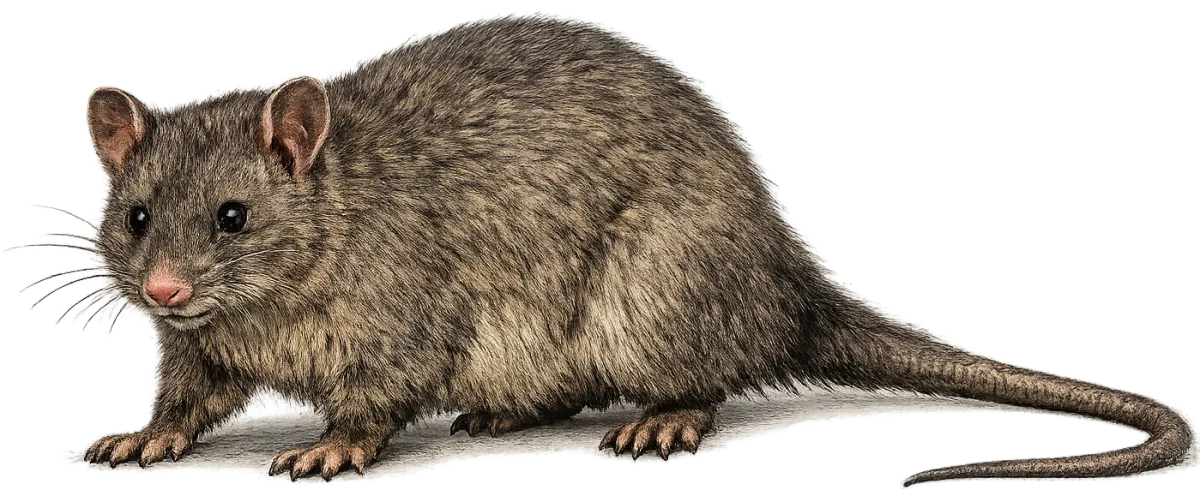
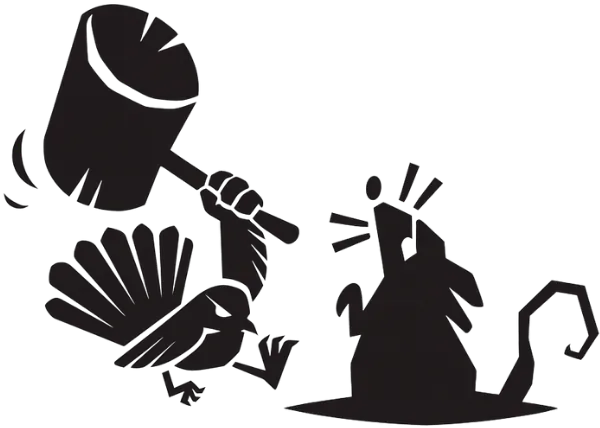
Wak A Rat
Learn safe, effective rat trapping with our hands‑on workshop and kit program for Waitākere and Swanson households.
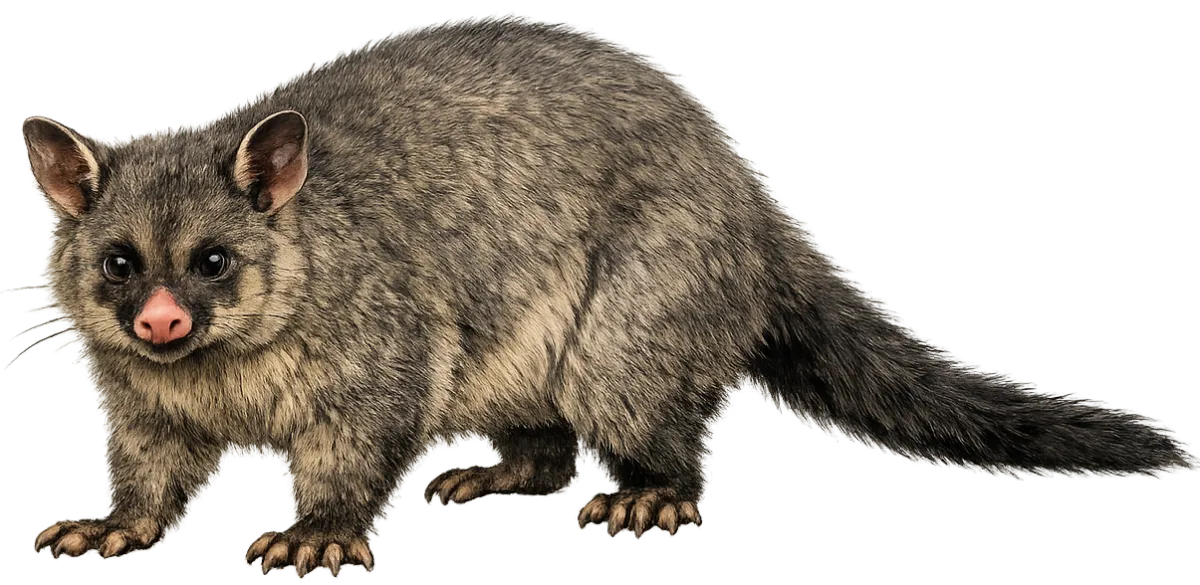
Pound A Possum
Join the community project removing possums from local backyards using safe, humane Timms traps supplied to residents.
Trapper of the Month
Celebrating locals whose steady trapping keeps pressure on pests and progress moving for our native wildlife.
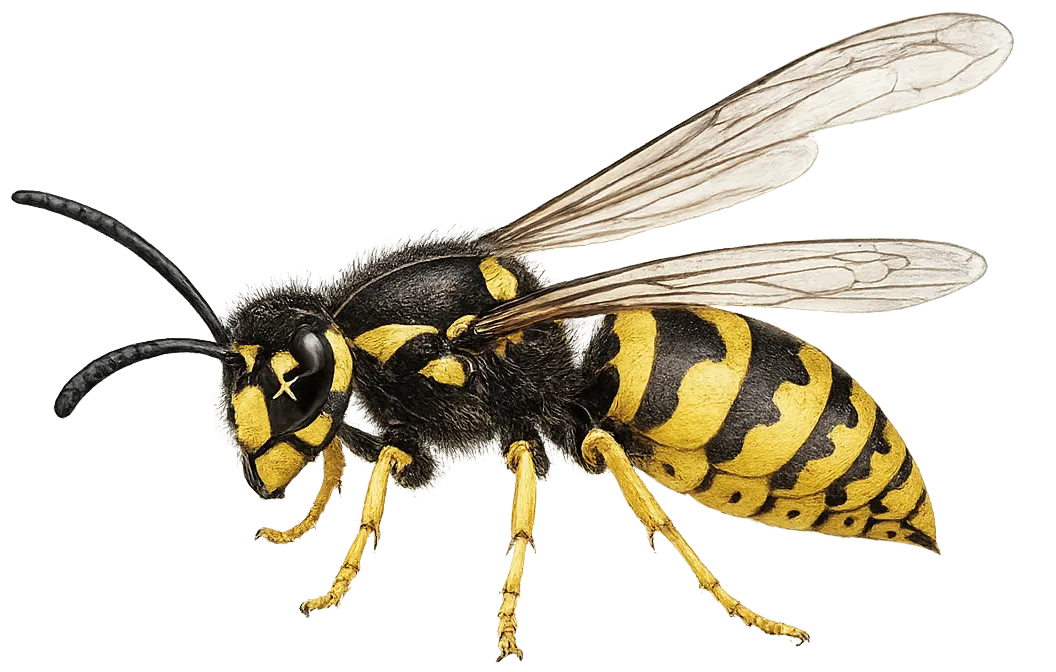
Waitak Wasp Wipe Out
Partnering with researchers and locals to reduce invasive wasps and protect native ecosystems across the Waitākere Ranges.
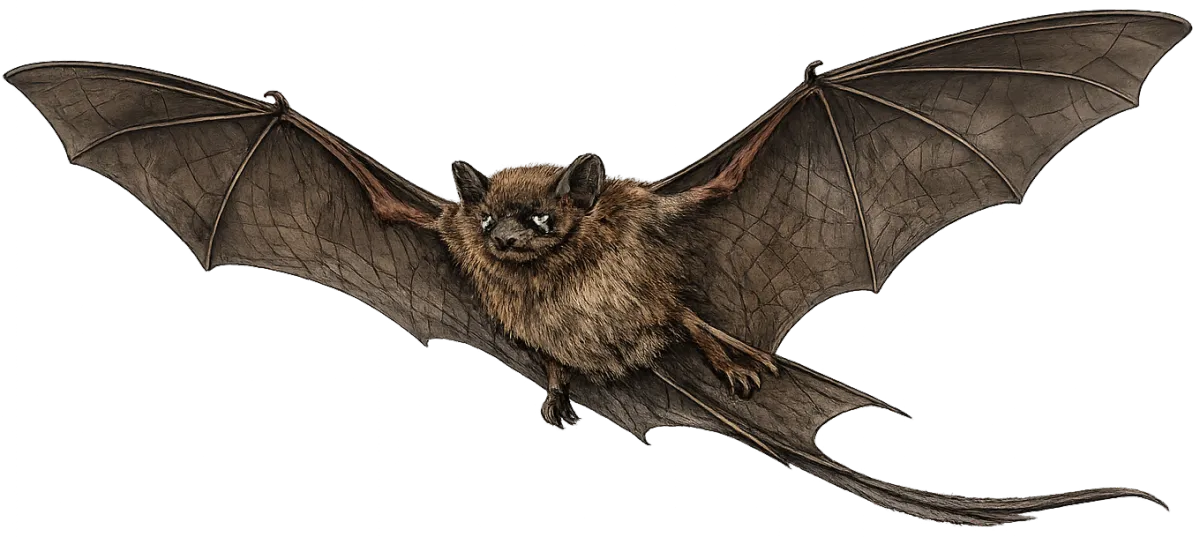
Pekepeka Project
Raising awareness and data for the critically endangered long‑tailed bat through art, education and local monitoring efforts.
Recognising the mahi behind the mission
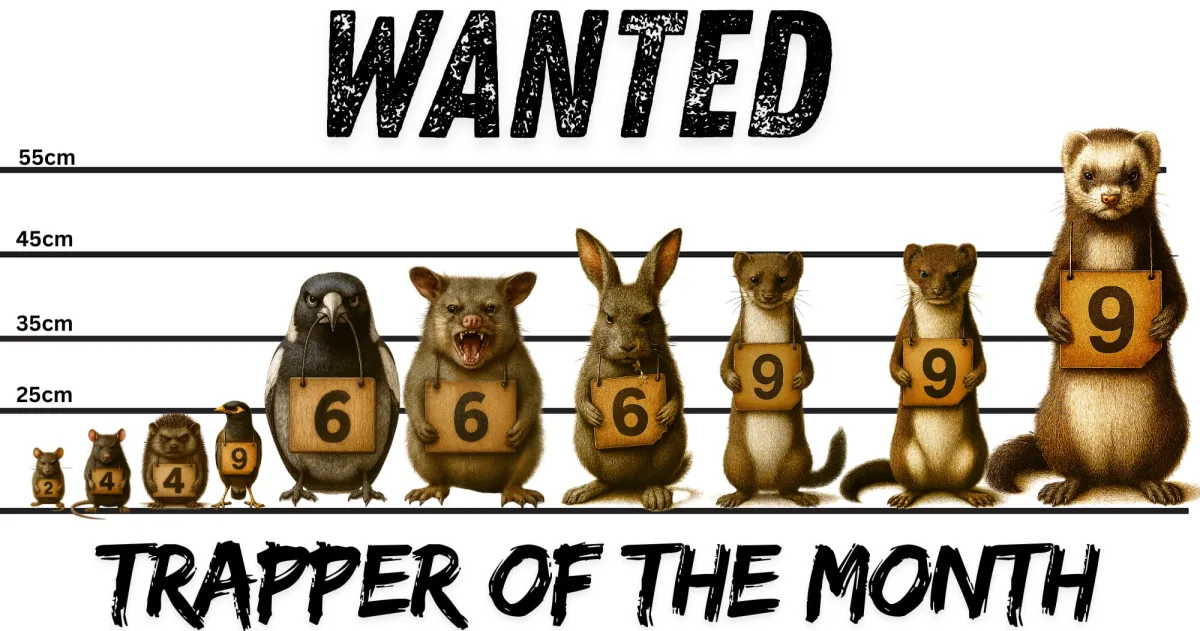
Trapper of the Month
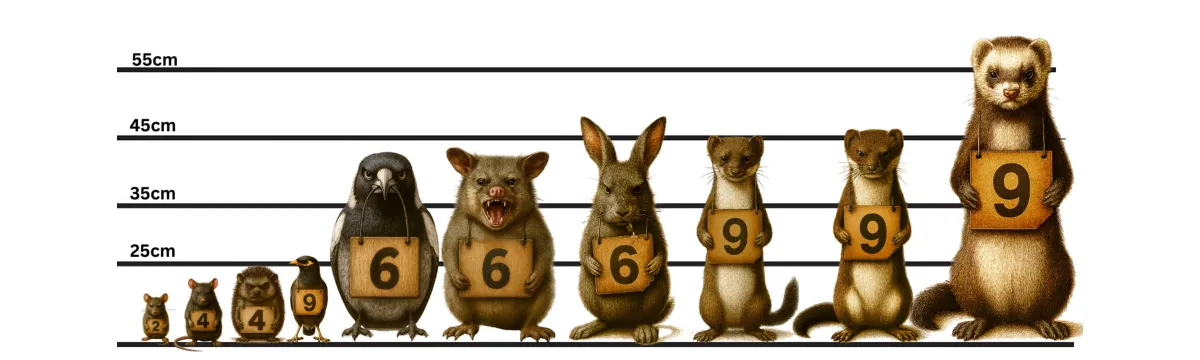
Trapper of the Month encourages and celebrates the locals who keep the pressure on pests and the progress moving forward. These are the people checking traps before work, clearing lines on the weekend and quietly shifting the balance back in favor of our native birds. Every catch they record builds a clearer picture of what is happening across our area and helps guide the work that follows.
The challenge brings a spark of competition and a reason to stay consistent through the year. As more people take part the results stack up and the changes become visible in the bush and backyards around us. Anyone can step into the running and every trap set adds to the momentum. Keep at it and your name might be the next one on the board.
Some trappers chase the top spot while others simply want to do their part, but every contribution matters. The combined effort of many households is what shifts the numbers and brings native species back into the places we all enjoy. Whether you are new to trapping or have been at it for years, your catches help push this project forward.
Make sure you join our project and start logging those traps today!
Gear Up and Keep Climbing
Keep your trapping consistent with gear that is reliable, simple to use and suited to local conditions. A good setup makes a real difference to your results and helps keep the pressure on pests year round.
Helping locals take out rats, one backyard at a time
Wak a Rat
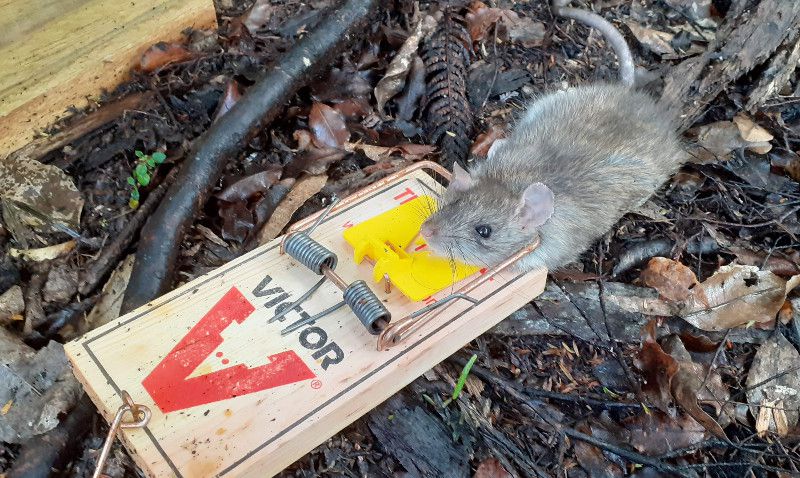
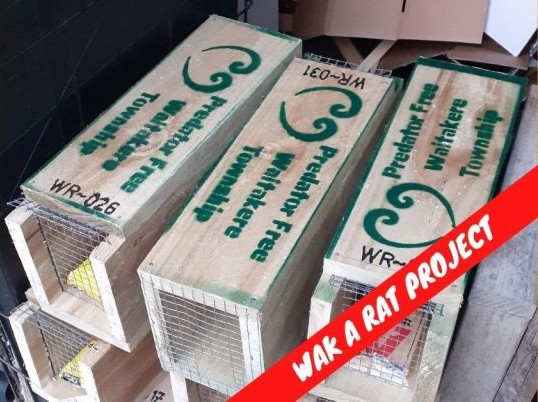
Wak a Rat is our hands-on workshop and trap kit project we offer for households in the Swanson and Waitākere Township area. You’ll learn how to use a Victor Professional Rat Trap safely and effectively, with advice from experienced trappers on where to place it and how to keep it running.
Why Target Rats?
Rats kill millions of native birds every year and have pushed many species to the brink of extinction. Targeting rats has the highest impact on bird numbers. Studies have shown that without adequate pest control, tui nesting success is only 27 percent, mostly due to high populations of ship rats (Hamilton Halo Project, Post Operation Report 2015)
Rats pose a significant risk to property, assets and your own and your pets health.
Rats will eat into walls, internet cables, electrical wiring, oil and fuel lines and car parts. Even your garden isn't safe with rats digging and eating things in your garden such as bulbs, dahlia tubers, fruit, potatoes and pumpkins.
its important to remember Rodents are not just a danger to our bird life and a nuisance to humans but they are also a significant health risk to people and pets. They can spread diseases through direct contact, contaminated food and water, and airborne particles. Rats are responsible for spreading fleas, Leptospirosis and Samonella as well as effecting those with allergies and asthma.
To get serious about protecting our birds, yourself and loved ones , you’ll need to commit to checking your trap weekly (at least), keeping it baited and then logging your results on our trap.nz project so you can be in with a chance to win our Trapper of the month contest.
Check out our guide that shows how to use bait, scent and smart trap placement to outsmart them. With practical advice and seasonal lure tips, it helps you build an effective routine that protects your property and supports local wildlife.
A well‑set trap network can quickly reduce numbers and keep them from returning.
Getting on top of the possum mennis for a greener backyard
Pound A Possum
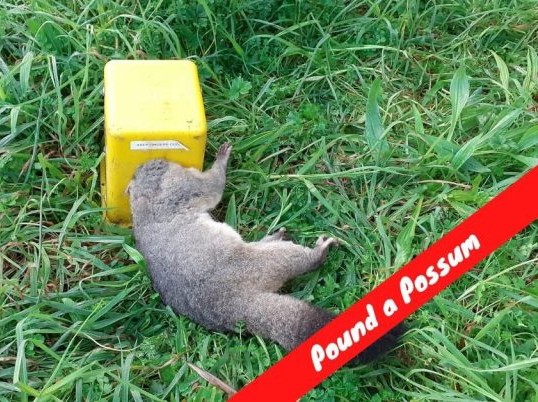
Possums are a major threat to native birds, fruit trees and gardens across the Waitākere and Swanson area. They eat eggs and chicks, compete with birds for food and can carry bovine tuberculosis which puts local farms and wildlife at risk. Reducing possum numbers makes an immediate difference to the health of our forests and the safety of our native species.
This project provides Timms traps to local households thanks to support from the Waitākere Ranges Local Board. These traps are safe, humane and do not use toxins. They are available for a gold coin donation and are supplied in limited numbers so they can reach the people who are actively trapping in the community.
To take part you need to check your trap at least once a week, keep it baited and record any catches on trap.nz. A quarter of an apple works well as bait and is easy to replace. If you are not comfortable handling dead pests this project will not be a good fit for you.
Once you register your interest we will contact you when traps are ready for collection at a central pickup point. Traps are prioritised for residents in the Waitākere Township area who are already registered on trap.nz and logging catches. This helps ensure the project delivers real results for the local environment.
Timms traps are safe when used correctly. Avoid using meat based baits and if you are concerned about pets or other animals you can unset the trap during the day and reset it at dusk. A video on how to set the trap will be available in the next section.
Join the project and help protect native wildlife by removing possums from your backyard and your neighbourhood.
wasps invading your gardens?
Wiatak Wasp Wipe-out
As part of a larger study on wasp presence, effects and how to better manage the ever growing wasp pest growth in New Zealand.
Dr Lucas P. Martins, Postdoctoral Fellow in Ecology at Lincoln University, is leading a research
project in the Waitākere Ranges exploring how reducing invasive wasp numbers can benefit native
ecosystems. This work is part of a wider national programme funded by the Ministry of Business,
Innovation and Employment, aiming to develop new tools for managing wasps and understanding
their impact on native species—especially invertebrates—and overall forest health.
The Pest Free Waitākere Ranges Alliance (PFWRA) will work alongside this project in a win–win
partnership: supporting Lucas’s research while also using the findings to improve PFWRA’s
ecological reporting and conservation outcomes and most importantly providing the resources for us to pass on to our locals to control the wasps buzzing round your own backyard.
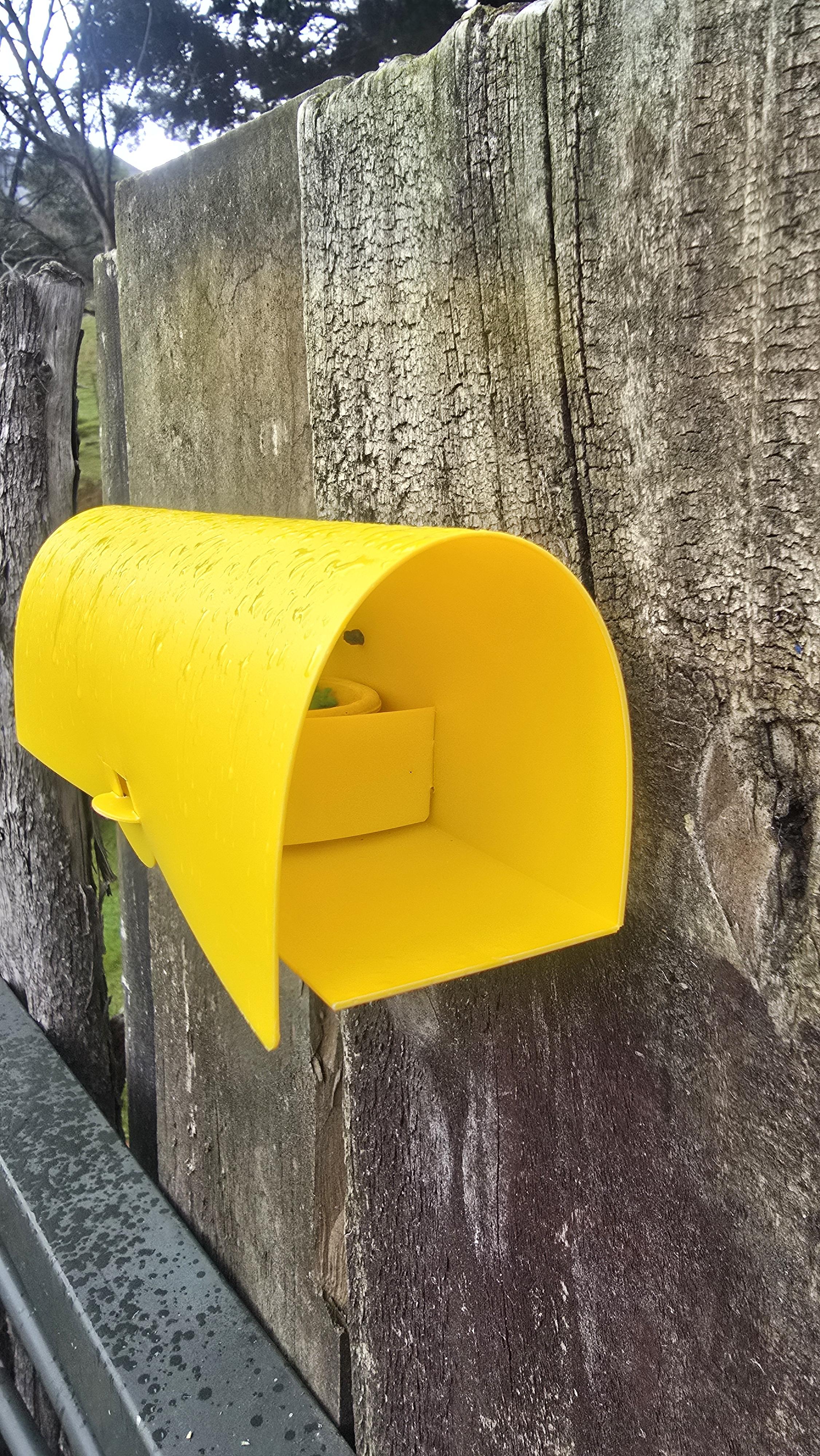
During the season of heavy wasp activity, members active on our trap.nz project will be offered the chance to receive wasp bait stations using Vespex - a protein based bait used to have foraging wasps carry the bait back to their nests, effectively eliminating entire colonies. It was originally piloted in 2015, and reduced wasp activity by over 95% on conservation land. It is low risk to birds and pets but is an ecotoxin. it doesn’t affect the bees and targets wasps only. Bait stations are placed in trees and on buildings by our registered applicator.
Our committee member Mark Dronjak is registered and able to use the Vespex wasp bait and install bait stations where there is wasp activity. Anyone handling or installing Vespex must be registered hence bait stations must be installed by our registered PFWS committee member.
Predator Free Waitakere Swanson (PFWS) is now able to provide Vespex Wasp bait stations for free to members of our PFWS group registered on our trap.nz project for the period February to April. If you have a wasp problem and want to have a Vespex wasp bait station installed and are a member of Predator Free Waitakere Swanson please get in touch.. The only requirement is the Vespex wasp bait station is logged in TrapNZ. The service is free and only available while stocks last.
Get in touch with us if you want to take part in this wider campaign to wipe out the wasps in our gardens (only available Feburary - April)
Watch this space for the subsequent report on how this project went!
Discovering more about our local pekapeka population
Pekepeka Project
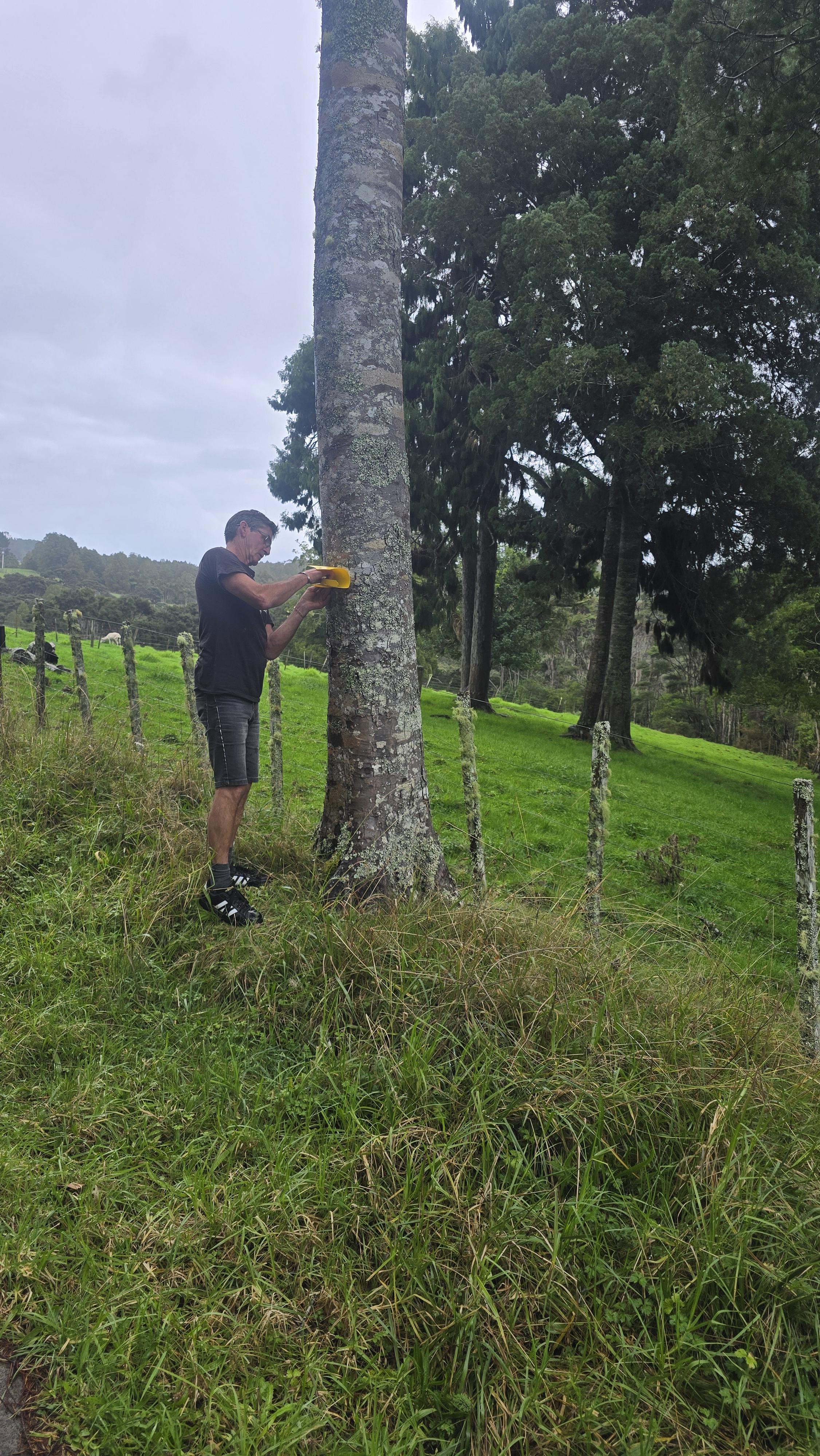
Working together with Community Waitākere Charitable Trust and inspired by Pest Free Waitākere Ranges Alliance's Species Spotlight campaign. We have adopted and Waitākere Township area.
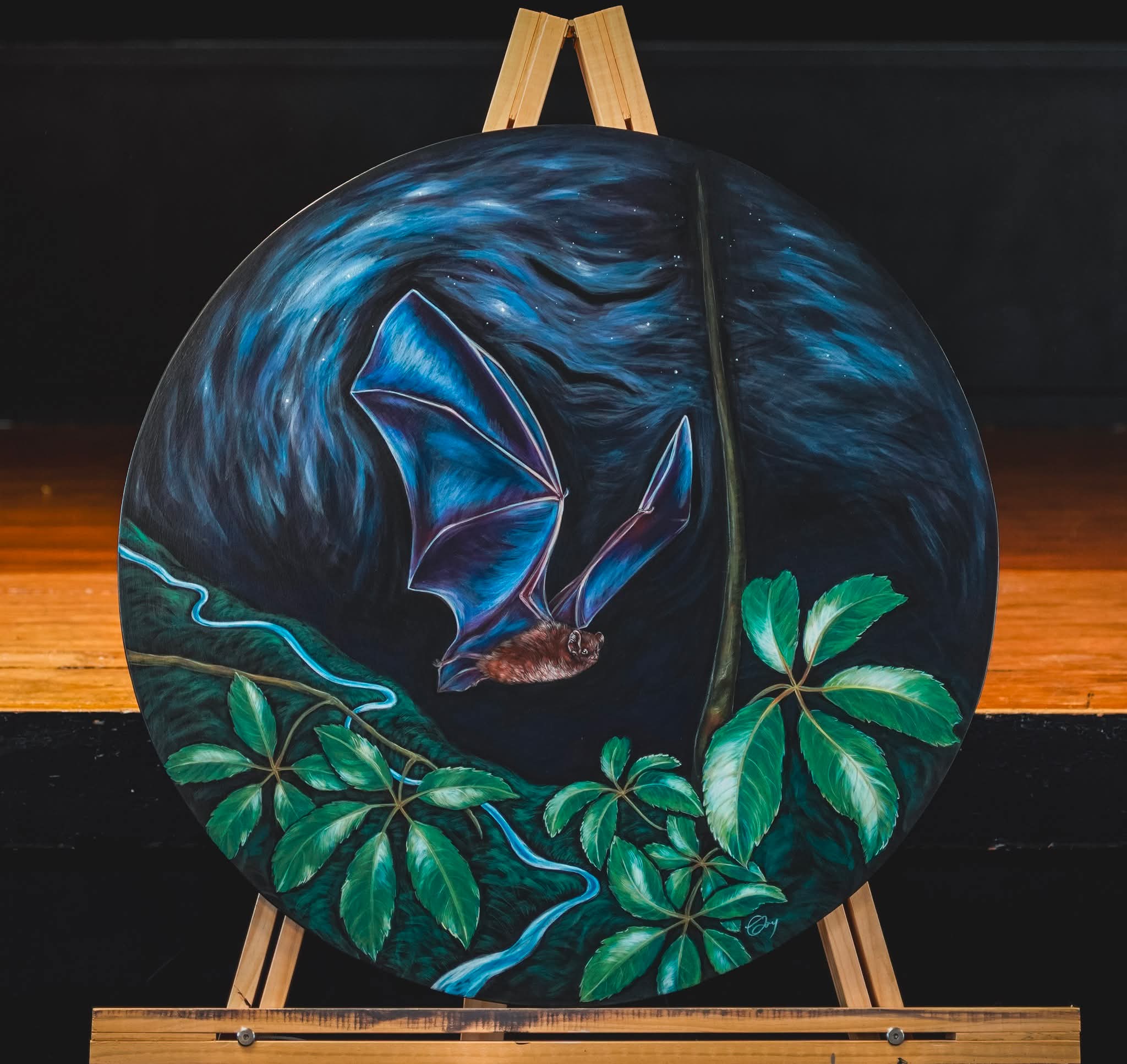
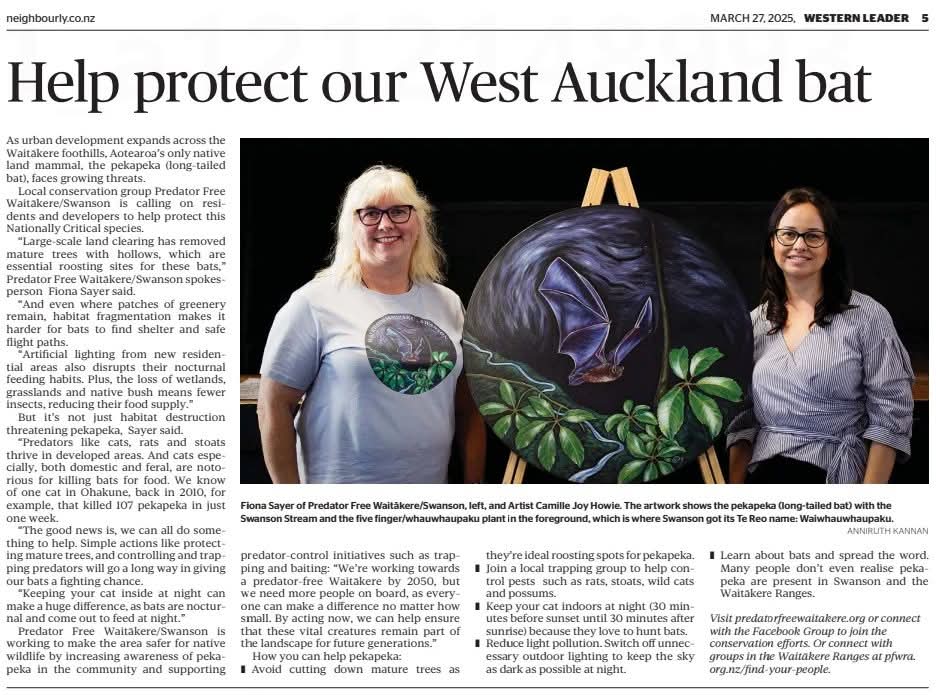
As part of the Pest Free Waitākere Alliance ‘Waitākere Species Spotlight Campaign 2025, The Special Species Spotlight celebrated a tour of 14 villages across the Waitākere Ranges, with each village honoring its unique special species through a one-of-a-kind artwork. These pieces tell the story of our local biodiversity and the communities that protect it. Predator Free Waitākere Swanson took on the Pekapeka tou roa (long tailed Bat)to raise awareness for the month of March 2025 to promote awareness for protecting the Critically Endangered species (the highest threat level) once found across New Zealand, which now, is only confined to small, fragmented areas and the numbers are on a consistent steep decline, West Auckland’s Waitākere is very lucky to have a few of these populations.
Local Swanson Based artist - Camille Joy Howie, passionate about nature and community created a very special and unique artwork to celebrate our heritage and showcase the Pekapeka tou roa, Her work seamlessly blends creativity with a deep respect for the natural world. Her beautiful one off artwork piece auctioned to charity at the end of the campaign can still be purchased on apparel and gear - Displayed with pride and raise further awareness for the Pekapeka.
Working with other local community groups, our libraries, primary schools and our townships special Waitākere kindergarten, The pekapeka brought together our community through education of New Zealand's only land mammal and how trapping, planting and bat monitoring projects can help the pekapeka thrive in today's world
Our group enjoyed supporting and learning about the Pekapeka tou roa so much that we have decided to continue to campaign for the matchbox sized critters.
Inspired by Pest Free Waitākere Ranges Alliance's Species Spotlight Campaign We are now working together with Community Waitākere Charitable Trust to study population presence/absence throughout our area providing data raise awareness and give our locals a more specific cause to encourage trapping
Watch this space to see what we are up to next for our unique and nationally critical species!
Community powered conservation for Waitakere and Swanson.